Air Duct Repair Albany: A Comprehensive Overview
Introduction
Welcome to an in-depth exploration of a vital aspect of modern infrastructure maintenance: air duct repair in Albany, a city known for its rich history and vibrant culture. This article aims to guide readers through the intricacies of this specialized service, shedding light on its significance, global impact, and the transformative potential it holds. By delving into various facets, from technological innovations to regulatory frameworks, we will uncover the complex world of air duct repair and its essential role in ensuring healthy indoor environments.
Understanding Air Duct Repair Albany
Definition and Core Components
Air duct repair Albany refers to the specialized process of identifying, assessing, and rectifying issues within a building's air distribution system (ADS). This system comprises numerous components working in harmony:
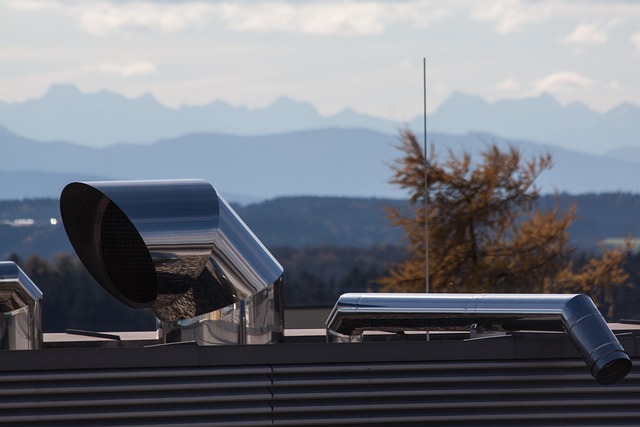
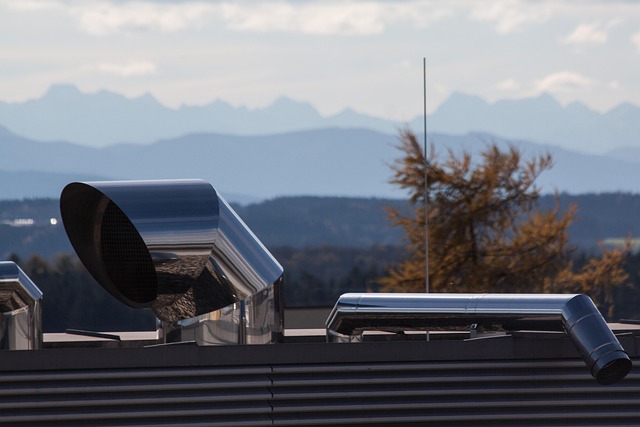
- Air Ducts: These are pathways designed to distribute heated or cooled air throughout a structure. They can be made from various materials, including metal, fiberglass, or plastic.
- Ventilation Systems: Involving fans, dampers, and other mechanisms, these systems control the flow of air, ensuring proper circulation and temperature regulation.
- Filters: Critical for air quality, filters trap pollutants, allergens, and dust particles, preventing them from circulating in living spaces.
- Air Handlers/Heat Exchangers: These components transfer heat or coolness to desired temperatures, maintaining indoor comfort.
- Ductwork Seals: Seals prevent leaks, ensuring efficient air movement and minimizing energy loss.
Historical Context and Significance
The concept of air duct repair has evolved significantly over the past century. Initially, early HVAC (Heating, Ventilation, and Air Conditioning) systems were relatively simple, with limited ductwork. However, as buildings grew larger and more complex, so did their ventilation needs. This led to advanced engineering and tighter insulation in air ducts to improve energy efficiency.
Today, efficient and well-maintained air duct systems are essential for several reasons:
- Indoor Air Quality: Maintaining clean air helps reduce allergy and asthma triggers, improving overall health.
- Energy Efficiency: Properly sealed and insulated ducts minimize energy loss, reducing utility bills.
- Environmental Impact: Efficient HVAC systems contribute to sustainability by lowering carbon footprints.
- Cost Savings: Regular maintenance prevents costly system failures and prolongs equipment lifespan.
Global Impact and Trends
International Influence
Air duct repair Albany is not confined to the local realm; its impact extends globally due to several factors:
| Region |
Key Factors |
Impact |
| North America |
Strict building codes, advanced technology adoption |
High energy efficiency standards drive demand for specialized repairs. |
| Europe |
Stringent environmental regulations, focus on renewable energy |
Increased emphasis on sustainable HVAC practices leads to innovative repair methods. |
| Asia-Pacific |
Rapid urbanization, growing middle class |
Rising demand for comfortable living spaces drives market growth. |
| Middle East |
Extreme climates, large-scale construction |
Specialized ductwork designs and repairs cater to unique challenges. |
Global Trends Shaping the Industry
- Sustainability Focus: There is a global push towards eco-friendly HVAC practices, driving demand for energy-efficient repair solutions.
- Digitalization: The adoption of IoT (Internet of Things) devices and smart thermostats enhances system monitoring and control.
- Remote Access Diagnostics: Advanced technology enables technicians to diagnose issues remotely, improving efficiency.
- Specialized Training: As systems become more complex, specialized training for technicians becomes crucial.
Economic Considerations
Market Dynamics
The air duct repair market is a significant contributor to the global HVAC industry, valued at USD 123.4 billion in 2020 and projected to grow at a CAGR of 6.5% from 2021 to 2028 (Grand View Research). Key factors driving this growth include:
- Increasing urbanization and construction activities
- Growing awareness about indoor air quality
- Strict energy efficiency standards
Investment Patterns
Investors in the sector are attracted by several factors:
- Steady Growth: The market's consistent expansion offers attractive investment opportunities.
- High Margin Potential: Specialized repair services command premium pricing, leading to healthier profit margins.
- Longevity of Assets: HVAC systems require regular maintenance, ensuring a steady stream of revenue.
Technological Advancements
Innovations in Air Duct Repair
Technological advancements have revolutionized air duct repair Albany:
- Infrared Thermography: This non-invasive imaging technique identifies temperature variations, helping locate leaks and areas for improvement.
- Drones with Cameras: Drones equipped with high-resolution cameras provide detailed visual inspections of hard-to-reach areas, enhancing safety and efficiency.
- Smart Sensors: Miniaturized sensors monitor air quality, temperature, and humidity, providing real-time data for informed repairs.
- Robotic Repair Tools: Advanced robots can perform precise cuts and seal applications, minimizing human error and increasing speed.
- Computer-Aided Design (CAD) Software: CAD systems enable detailed planning, modeling, and visualization of repair projects.
Impact and Future Potential
These innovations have led to:
- Increased Efficiency: Faster repairs, reduced labor costs, and improved overall system performance.
- Enhanced Safety: Minimized risk for technicians by reducing the need for hazardous conditions.
- Better Quality Control: Improved accuracy in measurements and installations, leading to longer-lasting repairs.
In the future, further integration of AI (Artificial Intelligence), machine learning, and AR (Augmented Reality) technologies is expected to:
- Automate complex tasks, such as identifying issues and providing repair solutions.
- Enable remote monitoring and predictive maintenance, reducing the need for frequent on-site visits.
- Enhance technician training through virtual reality simulations.
Policy and Regulation
Governance of Air Duct Repair Albany
The regulatory landscape for air duct repair varies across regions but generally includes:
- Building Codes: Local and national building codes dictate minimum standards for construction, including HVAC systems.
- Energy Efficiency Standards: These regulations set benchmarks for energy performance, influencing system design and repair practices.
- Indoor Air Quality Regulations: Laws aim to ensure safe and healthy indoor air quality, driving the need for proper ventilation and regular maintenance.
- Environmental Protection Acts: Regulations often require the use of eco-friendly materials and practices during repairs.
Influence on Development
Regulatory frameworks play a pivotal role in:
- Standardization: Setting consistent standards ensures uniform repair practices across regions, enhancing safety and quality.
- Sustainability: Encouraging the adoption of energy-efficient and environmentally friendly repair methods.
- Consumer Protection: Safeguarding residents' health and well-being by mandating regular maintenance and inspections.
Challenges and Criticisms
Overcoming Hurdles
Air duct repair Albany faces several challenges:
- Access to Hard-to-Reach Areas: Ductwork in some buildings is intricate, making repairs difficult and time-consuming.
- Contaminant Buildup: Accumulation of dust, mold, and other contaminants can compromise air quality, requiring specialized cleaning methods.
- Technician Shortage: Skilled technicians are in high demand, leading to labor shortages that impact service availability.
- Cost Concerns: The complexity of modern HVAC systems can increase repair costs, making it a financial burden for some property owners.
Proposed Solutions
To address these challenges:
- Advanced Tools and Training: Investing in specialized equipment and training programs can enhance technicians' capabilities.
- Regular Maintenance Programs: Offering preventive maintenance packages encourages regular inspections, reducing long-term costs.
- Public Awareness Campaigns: Educating homeowners about the importance of air duct maintenance fosters a culture of proactive care.
- Government Incentives: Tax breaks or rebates for energy-efficient repairs can encourage property owners to invest in system upgrades.
Case Studies: Successful Applications
Example 1: Urban High-Rise Complex
Challenge: A 30-story office building in downtown Albany experienced frequent complaints about poor air quality and temperature variations.
Solution: A comprehensive air duct repair and replacement project was undertaken, involving:
- Infrared thermal imaging to identify leaks.
- Drone inspections for hard-to-reach areas.
- Installation of smart sensors for real-time monitoring.
- Upgrade to energy-efficient ductwork seals.
Outcome: The building's energy bills decreased by 25%, and employee satisfaction improved significantly due to enhanced indoor air quality.
Example 2: Historic Residence
Challenge: An old Victorian home needed restoration of its original HVAC system, which had fallen into disrepair.
Solution: The repair team employed traditional methods while incorporating modern technology:
- Hand-crafted ductwork replicas using historic materials.
- Advanced sealing techniques to maintain energy efficiency.
- Smart thermostat installation for customizable temperature control.
Outcome: The restored system not only preserved the home's historical integrity but also provided comfortable and eco-friendly heating and cooling.
Future Prospects
Emerging Trends
The future of air duct repair Albany is poised for exciting developments:
- Smart Homes Integration: As smart home technology advances, air duct systems will play a more integrated role, allowing remote control and monitoring.
- Personalized Ventilation: Individual zones with customizable temperature and airflow settings will become common, enhancing comfort.
- Predictive Analytics: Advanced analytics will enable forecasting of system failures, leading to proactive maintenance.
- Hybrid Systems: The integration of geothermal and solar energy with traditional HVAC systems will gain popularity.
Growth Areas
- Residential Market Expansion: With increasing awareness about indoor air quality, the residential sector is expected to witness significant growth.
- Retrofit Projects: Upgrading older buildings' HVAC systems to meet modern efficiency standards presents a vast opportunity.
- Sustainable Solutions: The demand for eco-friendly repairs and retrofits will continue to rise, driven by environmental concerns.
Conclusion: Embracing the Future of Air Duct Repair
Air duct repair Albany is not merely a maintenance service; it is a critical component of modern infrastructure that impacts health, energy efficiency, and sustainability. As technology advances and global awareness grows, the industry will continue to evolve, presenting both challenges and opportunities. By embracing innovation, adopting sustainable practices, and prioritizing customer education, air duct repair professionals can ensure comfortable, healthy, and efficient indoor environments for generations to come.
FAQ Section
Q: How often should I get my air ducts inspected?
A: It is recommended to have your air ducts inspected every 3-5 years to ensure optimal performance and air quality. Regular inspections can help identify potential issues early on, preventing costly repairs.
Q: Can air duct repair really improve indoor air quality?
A: Absolutely! Properly maintained air ducts minimize the buildup of contaminants like dust, mold, and pollen, resulting in cleaner and healthier indoor air. This is particularly beneficial for individuals with allergies or respiratory conditions.
Q: Are there tax benefits for having my HVAC system repaired?
A: In some jurisdictions, you may be eligible for tax credits or deductions when investing in energy-efficient home improvements, including HVAC repairs. Check local incentives and consult a tax professional for specific guidance.
Q: How can I tell if my air duct problem is a simple leak or something more serious?
A: Leaks are often visible through water stains on ceilings or walls. If the issue persists despite repair attempts, or if you notice unusual noise, it may indicate a larger problem with the HVAC system, requiring professional evaluation.
Q: What should I look for when choosing an air duct repair company?
A: Look for licensed, insured, and bonded contractors with experienced technicians. Check online reviews, request references, and ensure they provide warranties on their work and materials.